Ball Check
As the name suggests, a ball is used to close ball check valves. To stop the flow, an o-ring seat usually lies around the internal entrance, which the ball then seals against. The ball is forced out of the way by pressure entering the valve, allowing flow to pass around it. The ball is forced back into the seal when the inlet pressure reduces.
Poppet Check
Poppet check valves function similarly to inline ball check valves. The difference is that a tiny stamped or machined disk is used to seal the valve in place of a ball. This disk is referred to as a poppet.
Swing Check
Due to its complete port capability, swing check valves are often used in large-diameter piping systems. A huge plate that is supported by a top hinge is used to close these valves. The plate swings out of the way to allow fluid to pass as media enters that valve. Similar to the bigger ball check, this valve closes by gravity. This implies that it is subject to the same mounting orientation restrictions.
Applications & Uses of Check Valve
Some of the applications of check valves are as follows:
Safeguarding the Upstream Equipment
Meters, compressors, filters, pumps, and other equipment designed for unidirectional flow are easily harmed by backflow. Another potentially hazardous event is water hammering. Check valves, particularly those with an end-stage damper, can lessen the impact of water hammers.
Preventing Drainage
Reverse flow is very likely to happen when the pump stops while media is being pumped from a suction reservoir to a discharge reservoir. To stop this, check valves are utilized. The foot valve is the type of valve that is often used for this.
Preventing Mixing or Contamination of Media
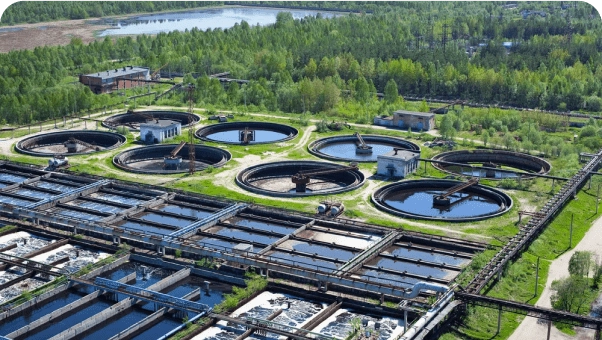
Check valves stop different media from mixing between two reservoirs by blocking reverse flow. Check valves, for instance, stop treated water from returning to the untreated water reservoir in a water treatment facility.
Check Valve Benefits
Anyone working with fluid systems should understand what a check valve is and what its benefits are. Let us check out the main benefits that make check valves essential in various applications:
- Energy Efficiency: Check valves significantly improve energy efficiency by reducing pump and compressor reversals. Not only does this prevent excessive burden on operating expenses, but it also reduces overall wear and tear on the equipment, thereby increasing its longevity.
- System Protection: In a hydraulic system or water treatment facility, check valves are essential to prevent serious damage to certain components when fluid flow direction or pressure changes. This protection increases the efficiency of the entire system, reduces the need for frequent replacement, and increases reliability.
- Backflow Prevention: The most fundamental purpose of a check valve is to prevent backflow since it can contaminate the system. This is meant to protect portable water from impurities that can pose health risks in water distribution systems. This protects expensive machinery in industrial settings from reverse flow, which can cause serious system failures.
- Water Hammer Reduction: Water hammer, a phenomenon in which pressure spikes create shock waves in the pipe system, is avoided by using silent check valves. These valves prevent equipment failure, which can cost thousands of dollars in repairs and machine downtime, while also reducing the incidence of pipe damage and leaks.